F1 streaming and the US rights deal: 83.6% of the audience watches live, so the paywall is judged on two hours a fortnight
The United States broadcast now costs a reported 140 million dollars a year against 85 before, behind a subscription.

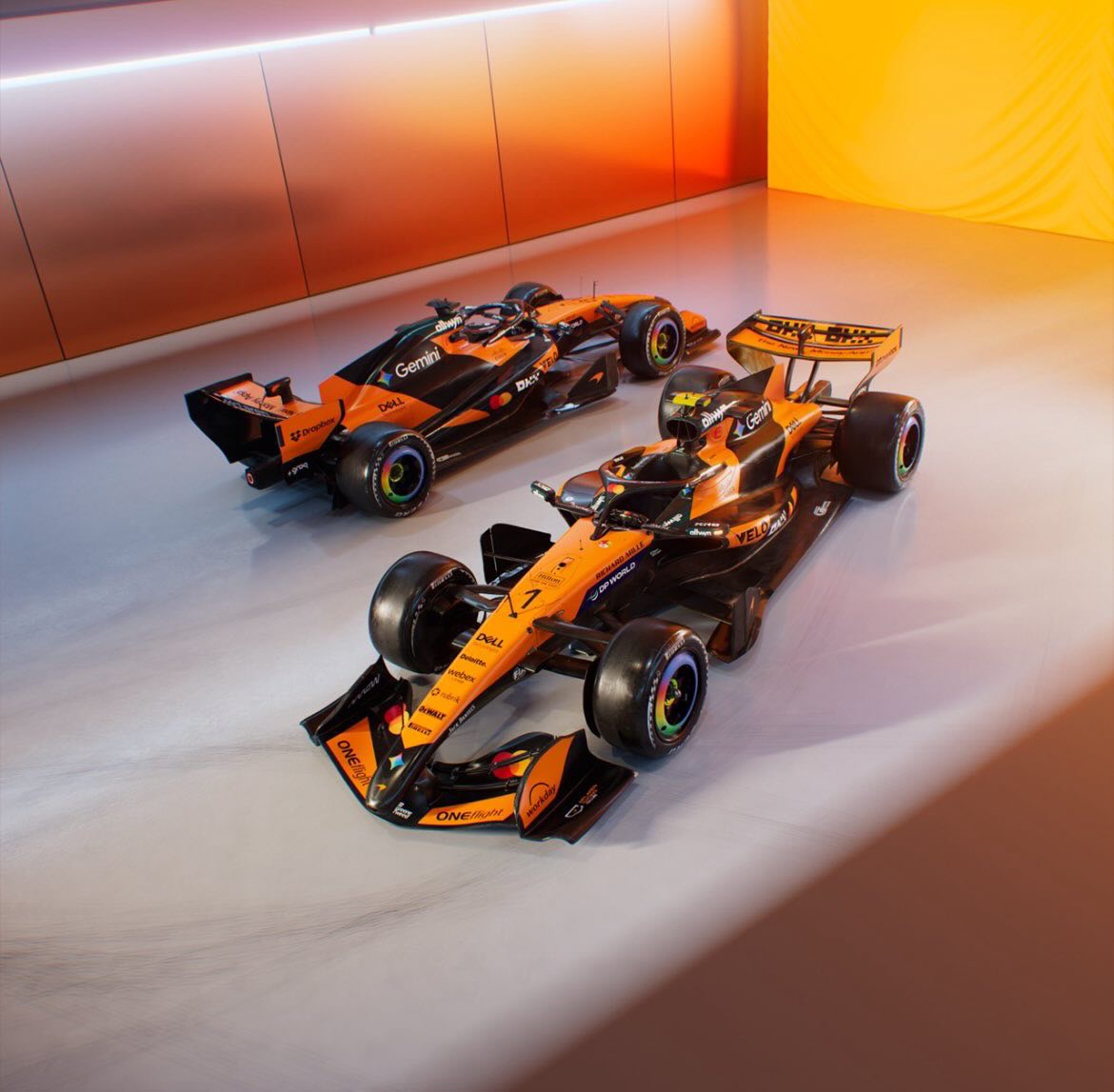
The sport put its biggest growth market behind a subscription this season, at a reported 140 million dollars a year against 85 before. The argument about that deal is a television argument. The audience it concerns has already left television: 83.6% of logged viewing is live streamed sessions while the classic TV broadcast reads 5%.
How the audience already watches
Across the season, 83.6% of logged sessions are marked watched live, 9.6% replay, 5% TV broadcast, 1.4% in person and 0.4% highlights. The television audience the industry argues about is a twentieth of this one. The habit went to streams long before the rights did.
An audience that watches live is an audience with a standing appointment. That is the asset the subscription inherits and the thing it can break: every second of friction added before lights out costs more than the price of the subscription, because the appointment is the product.
What the subscription has to carry
Three quarters of everything this audience watches is the race itself: 75.4%, against 12.8 for qualifying, 8.1 for the sprint and 3.6 for sprint qualifying. A season pass is judged on two hours a fortnight, which concentrates the entire value argument on how those two hours feel behind the paywall.
The market reading closes the case: 19.1% of the audience is American, the largest single market on the platform, with Great Britain at 13.7. One subscription decision now separates the sport from a fifth of its audience.
What this means for the rights holder and for sponsors
For the rights holder the data is mostly good news: the audience already lives on streams, pays attention live and concentrates its viewing exactly where a subscription delivers. The risk is not the platform, it is the fixed hour. A live audience does not reschedule, it churns.
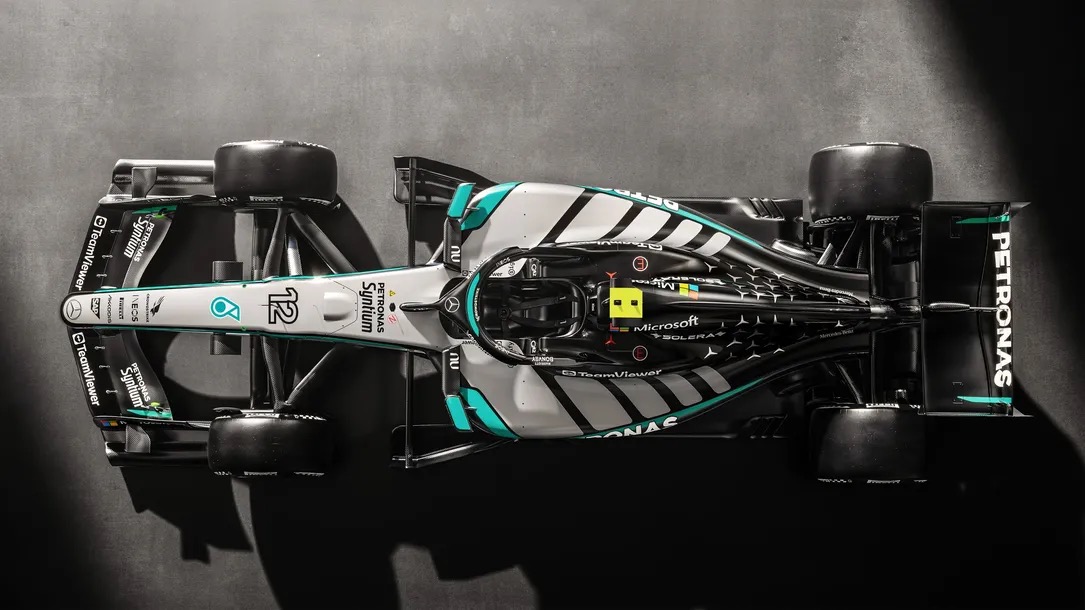
For a sponsor the viewing mix redraws the exposure map. A brand bought for broadcast reach now reaches an audience of which one in twenty watches on classic television.
The surfaces that survive a stream, the graphics, the garage, the overalls and the interview backdrop, quietly gained value against the surfaces built for a television director.
Frequently asked questions
How do most F1 fans watch races now?
Live and streamed. 83.6% of logged sessions are marked watched live, against 9.6% replay and 5% classic TV broadcast.
How much does the US F1 broadcast deal cost?
Industry reporting puts the new United States deal at 140 million dollars a year over five years, against 85 million before, with every session behind a subscription.
How big is the American F1 audience?
The United States is the largest single market on the platform at 19.1% of the audience, ahead of Great Britain at 13.7%.
What do fans watch most, races or qualifying?
The race dominates at 75.4% of viewing, then qualifying at 12.8, the sprint at 8.1 and sprint qualifying at 3.6.
Want this reading on your own brand?
The full report behind this article, with the split by team audience, market composition and the change across the season, is available to teams, brands and agencies.
Source: BoxBoxd, the motorsport social network. The Brand Recall Index is measured on the BoxBoxd audience through the 2026 season, where a blurred sponsor logo is shown with no name attached and three questions follow: name the brand, name the team, place the branding on the car.