Kimi Antonelli leads the championship with a satisfaction score of 76, the happiest audience in the sport
The Antonelli audience posts a satisfaction score of 76 against a grid average of 56, with 67% returning race after race.

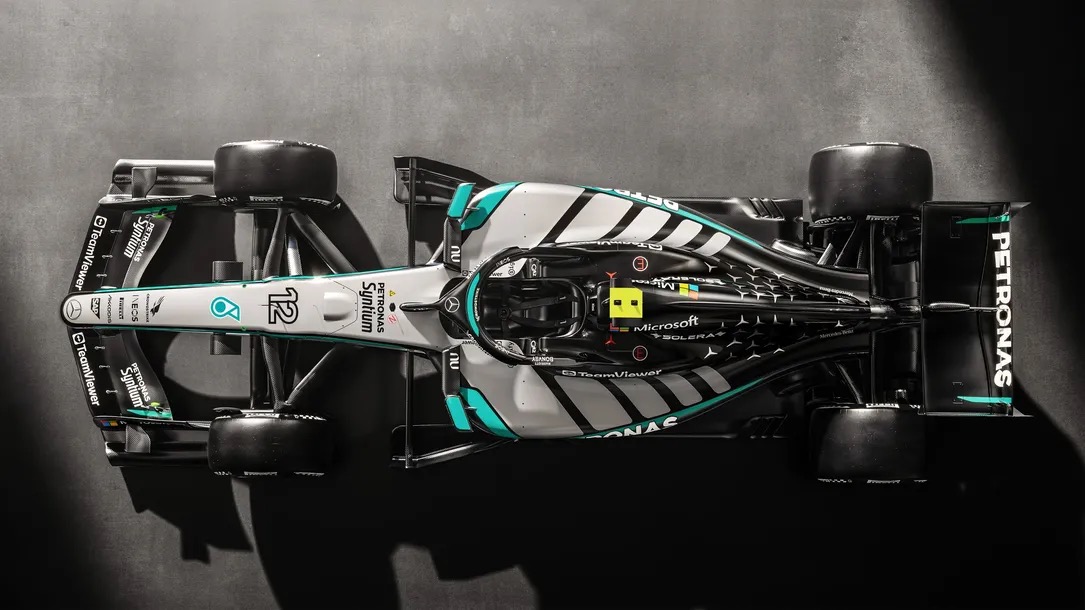
The driver leading the championship has the happiest audience in the sport and the market has not repriced it yet. The Antonelli audience posts a satisfaction score of 76 after races, against a grid average of 56, with 67% of it coming back race after race. Small, positive and cheap is a combination that does not survive a title run.
The happiest audience on the grid
After each race the platform asks every audience how it feels. The Antonelli reading averages 76, twenty points above the grid average of 56 and eight clear of the next driver.
Lewis Hamilton follows at 68, then Carlos Sainz at 58, Charles Leclerc and George Russell at 57 and Oscar Piastri at 56. The Verstappen audience closes the table at 47.
Winning explains part of it, he took Spa and leads the standings this month. It does not explain the scale of the gap: title leaders usually drag anxious audiences, not delighted ones. A young following that has not yet learnt to fear losing is a different emotional product from the grid average.
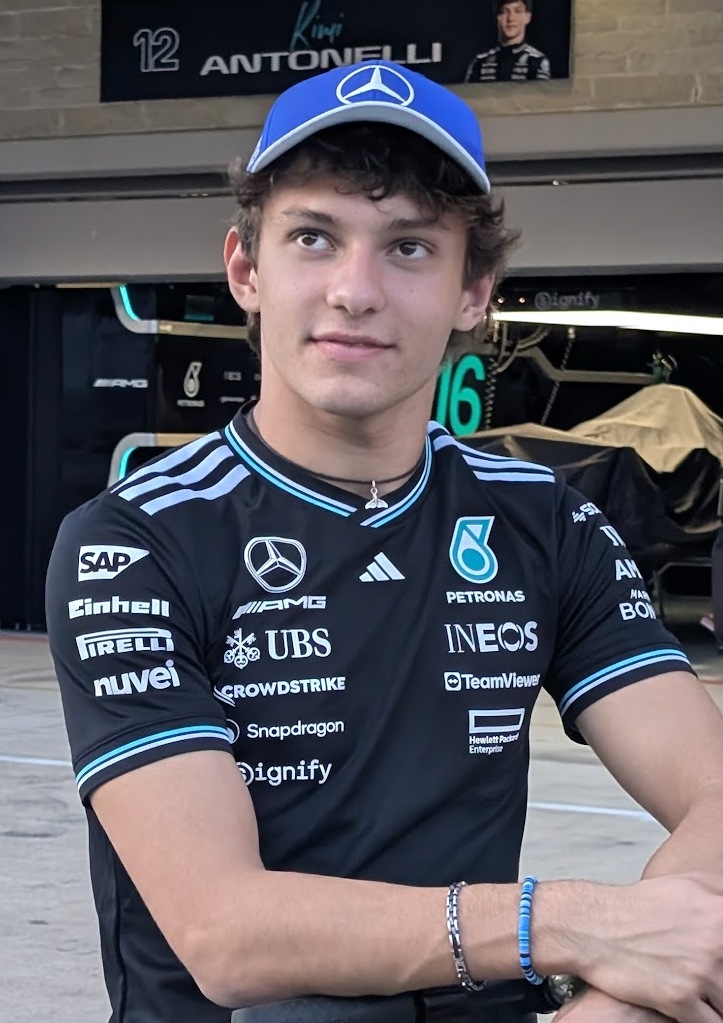 Kimi Antonelli
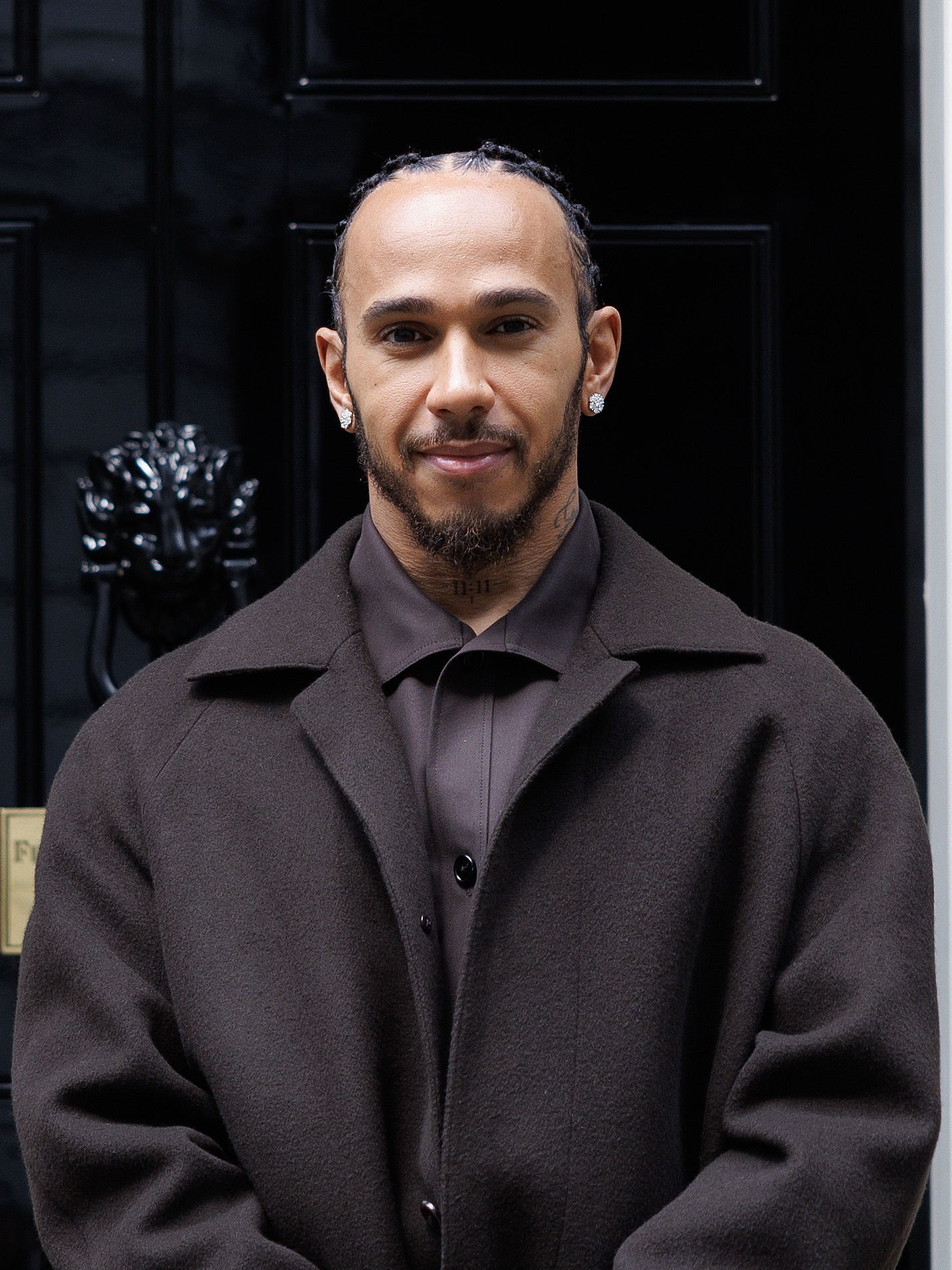 Lewis Hamilton
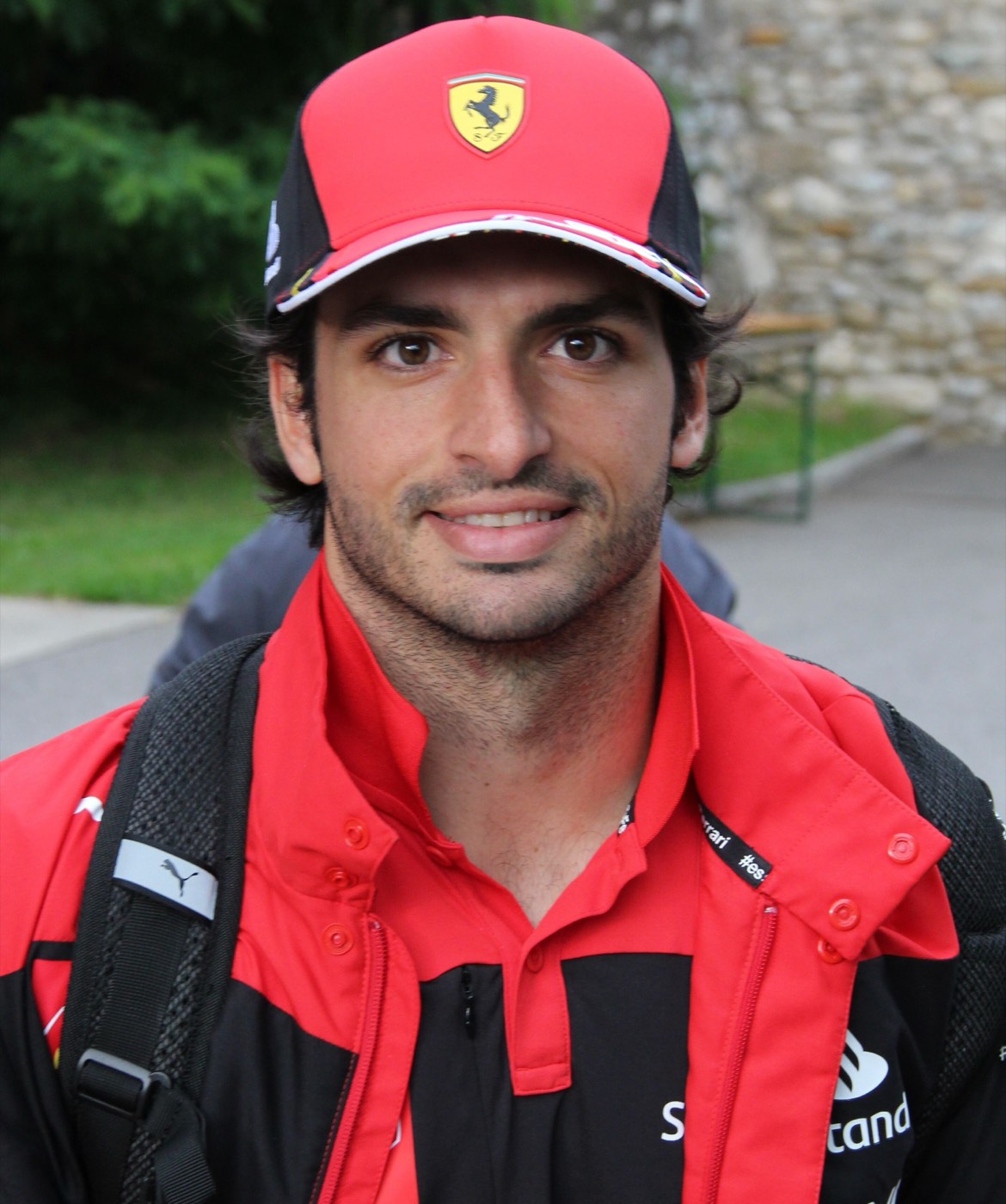 Carlos Sainz
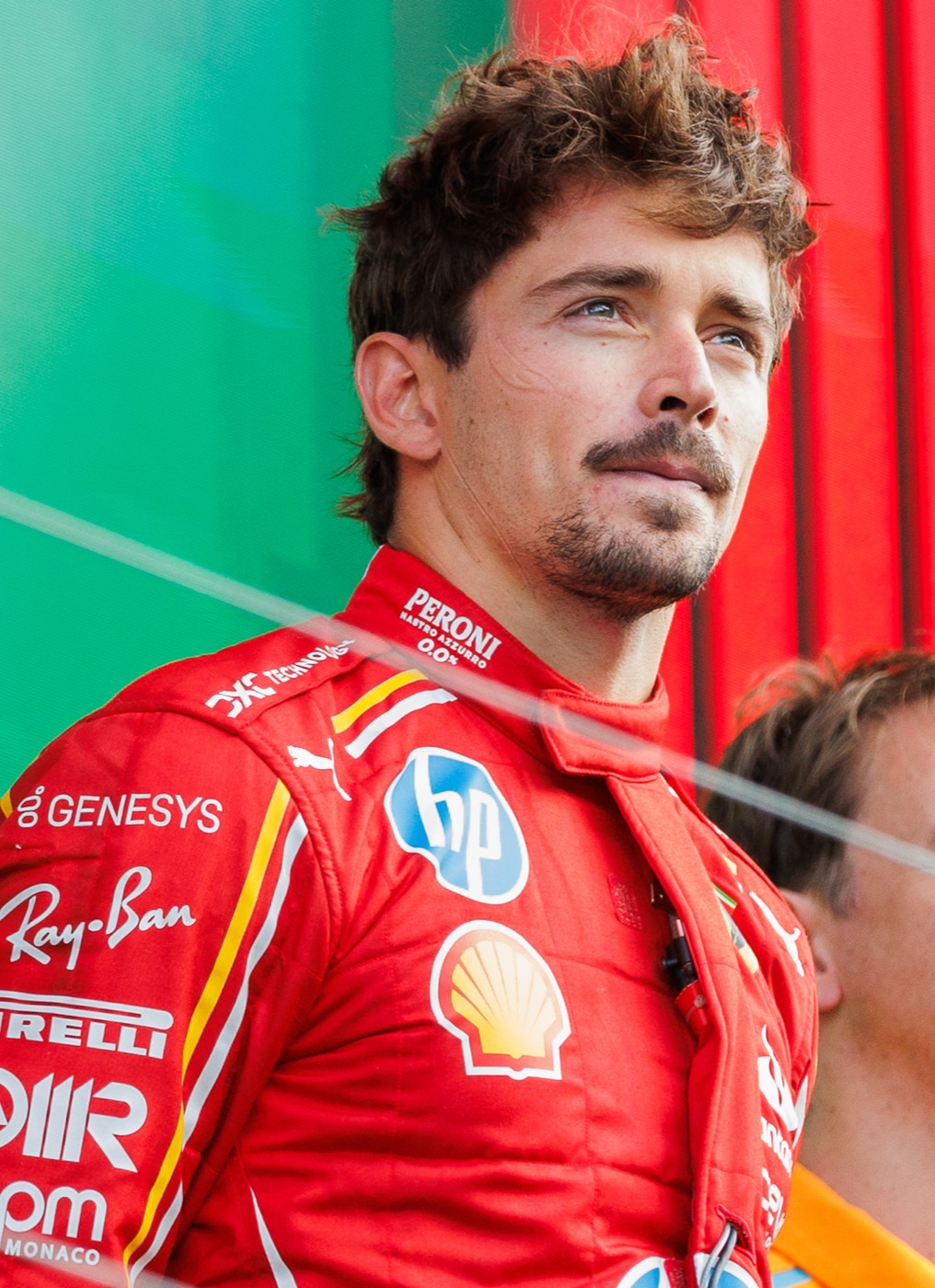 Charles Leclerc
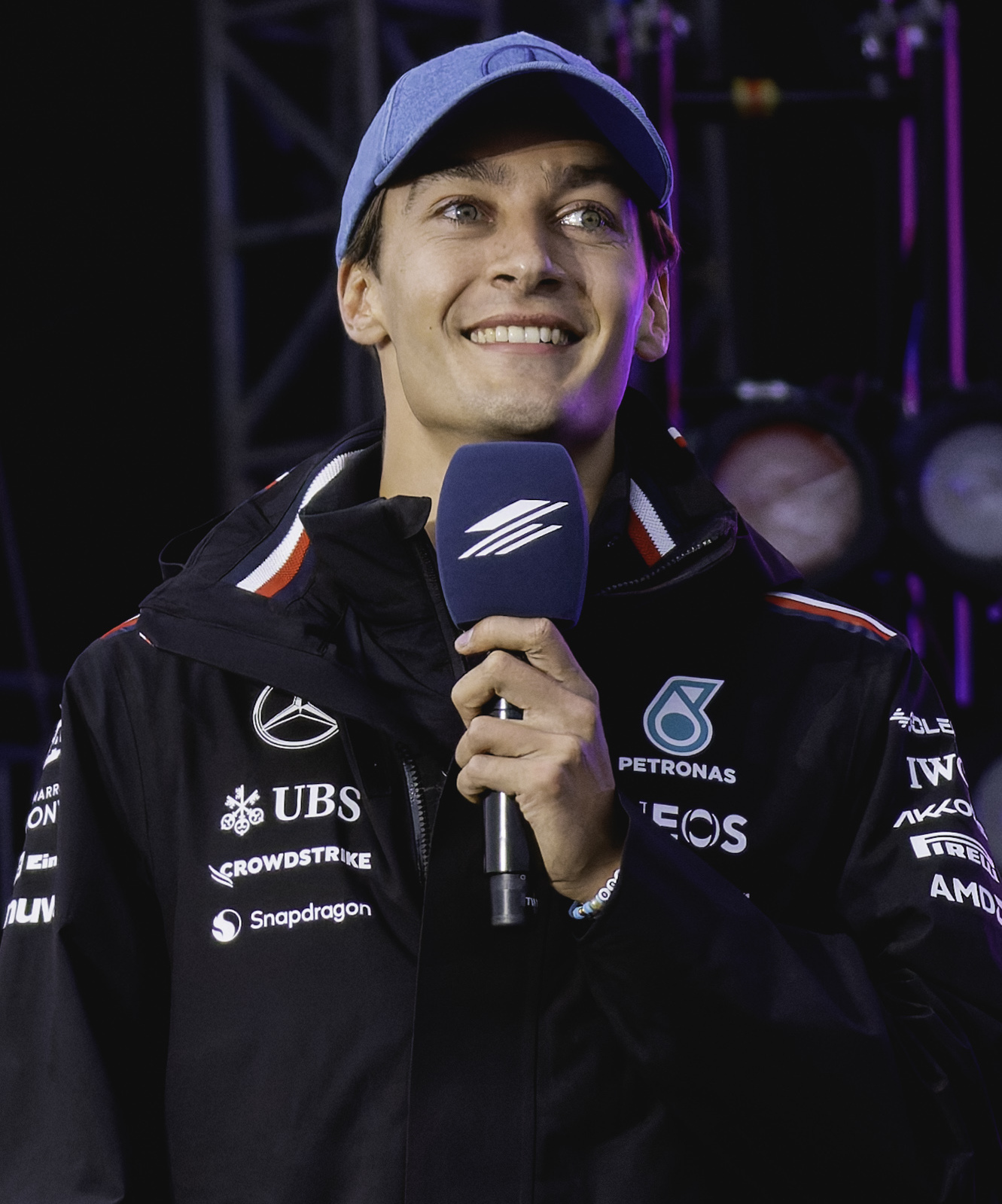 George Russell
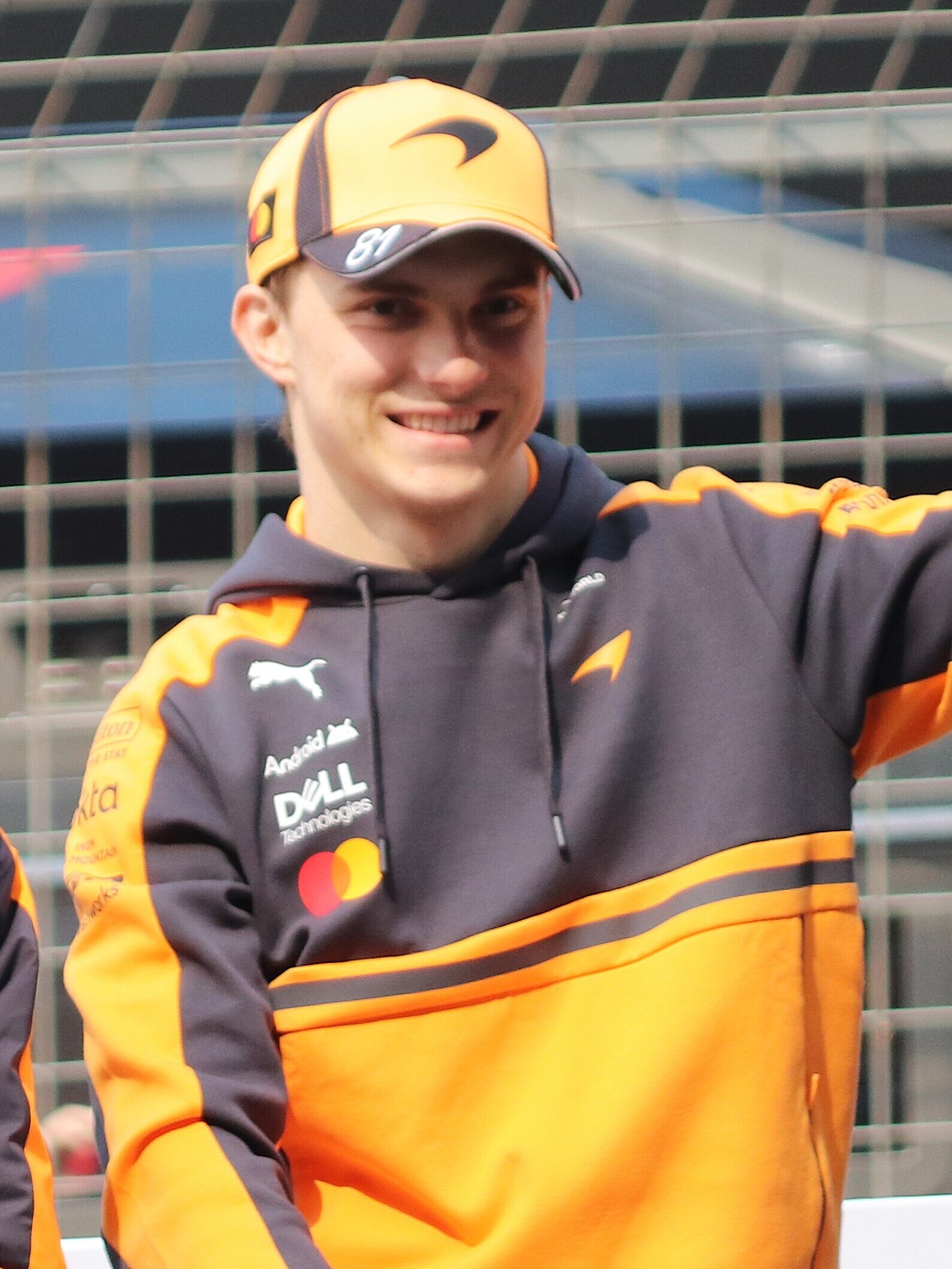 Oscar Piastri
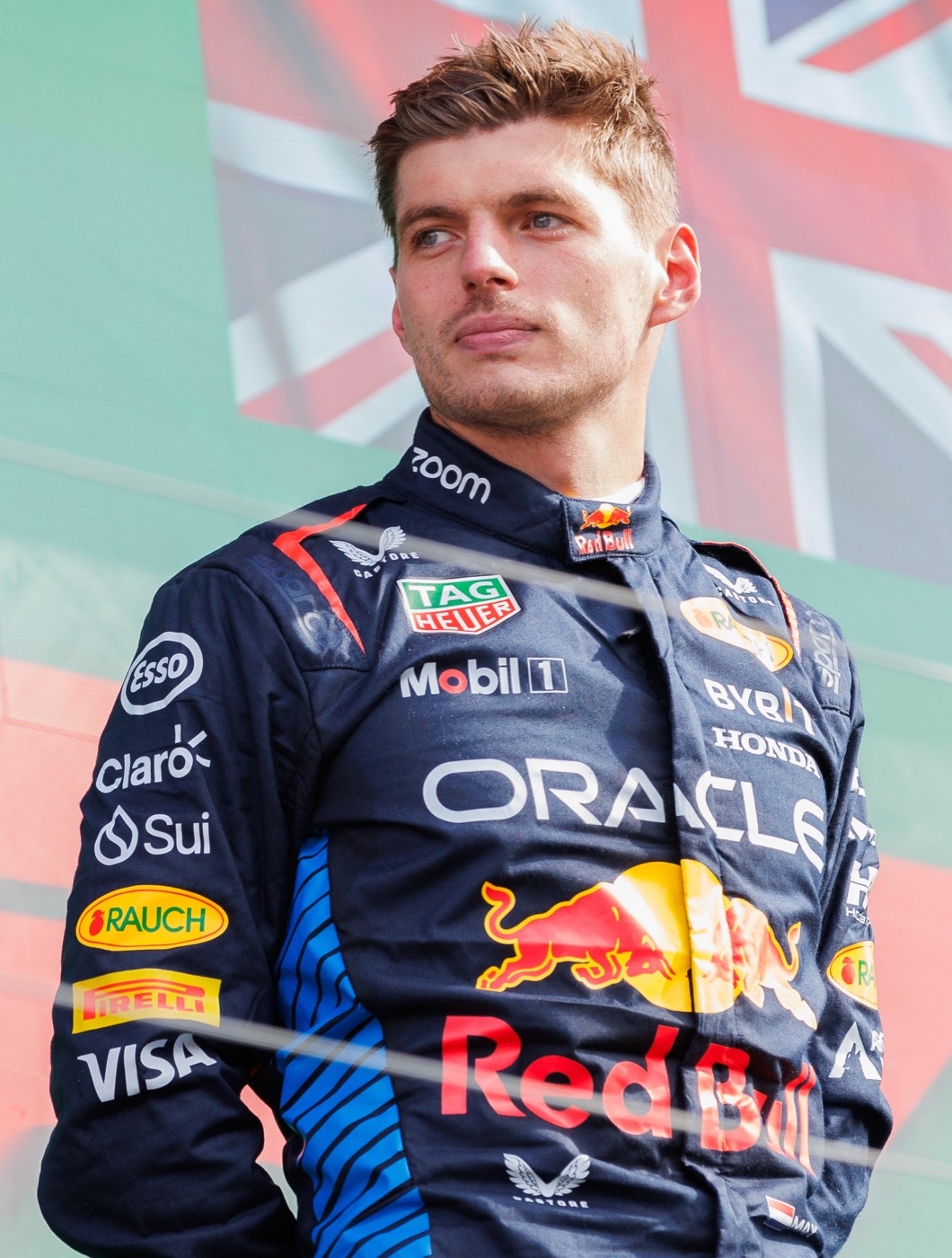 Max Verstappen
Why is the Antonelli audience underpriced?
Because pricing follows size and his following is still small. 67% of it returns race after race, it watches live and it is happy, which is precisely the profile a brand chasing the next big name says it wants. The market prices him as a newcomer while the track prices him as a champion.
The window is mechanical. The moment a driver starts winning is the moment his audience grows and his price rises.
In a season that ends with him leading the title, the following will be none of the three things it is today: not small, not cheap and perhaps no longer this happy once the pressure arrives. Early is a date and that date is now.
What an early partner is buying
Not reach. A brand buying Antonelli today buys the association before the market agrees on his value, the loyalty curve of an audience forming its habits and the satisfaction halo that transfers to whatever logo shares the moment. The reach arrives later, at the price set today.
The comparison that closes the argument is the bottom of the satisfaction table. The largest audience in the sport is also its most anxious. Attention and joy are different products. For the first time the data prices them separately.
Frequently asked questions
Who has the happiest fans in F1?
Kimi Antonelli. His audience posts an average satisfaction score of 76 after races, against a grid average of 56. The Verstappen audience reads lowest at 47.
Is Antonelli leading the 2026 championship?
This month, yes. He leads the standings after winning at Spa, while his audience remains the size of a newcomer following.
Do Antonelli fans come back?
67% of his audience returns race after race, above the grid average, a young following already showing repeat behaviour.
Why would a sponsor sign a rising driver early?
Because price follows audience size with a lag. A title run grows the audience and the price together, so the association costs least exactly when the data first shows the trajectory.
Want this reading on your own brand?
The full report behind this article, with the split by team audience, market composition and the change across the season, is available to teams, brands and agencies.
Source: BoxBoxd, the motorsport social network. The Brand Recall Index is measured on the BoxBoxd audience through the 2026 season, where a blurred sponsor logo is shown with no name attached and three questions follow: name the brand, name the team, place the branding on the car.