F1 sponsorship activation: what makes it work?
The best placed brand on the grid after the official timekeeper does not appear on a single car.

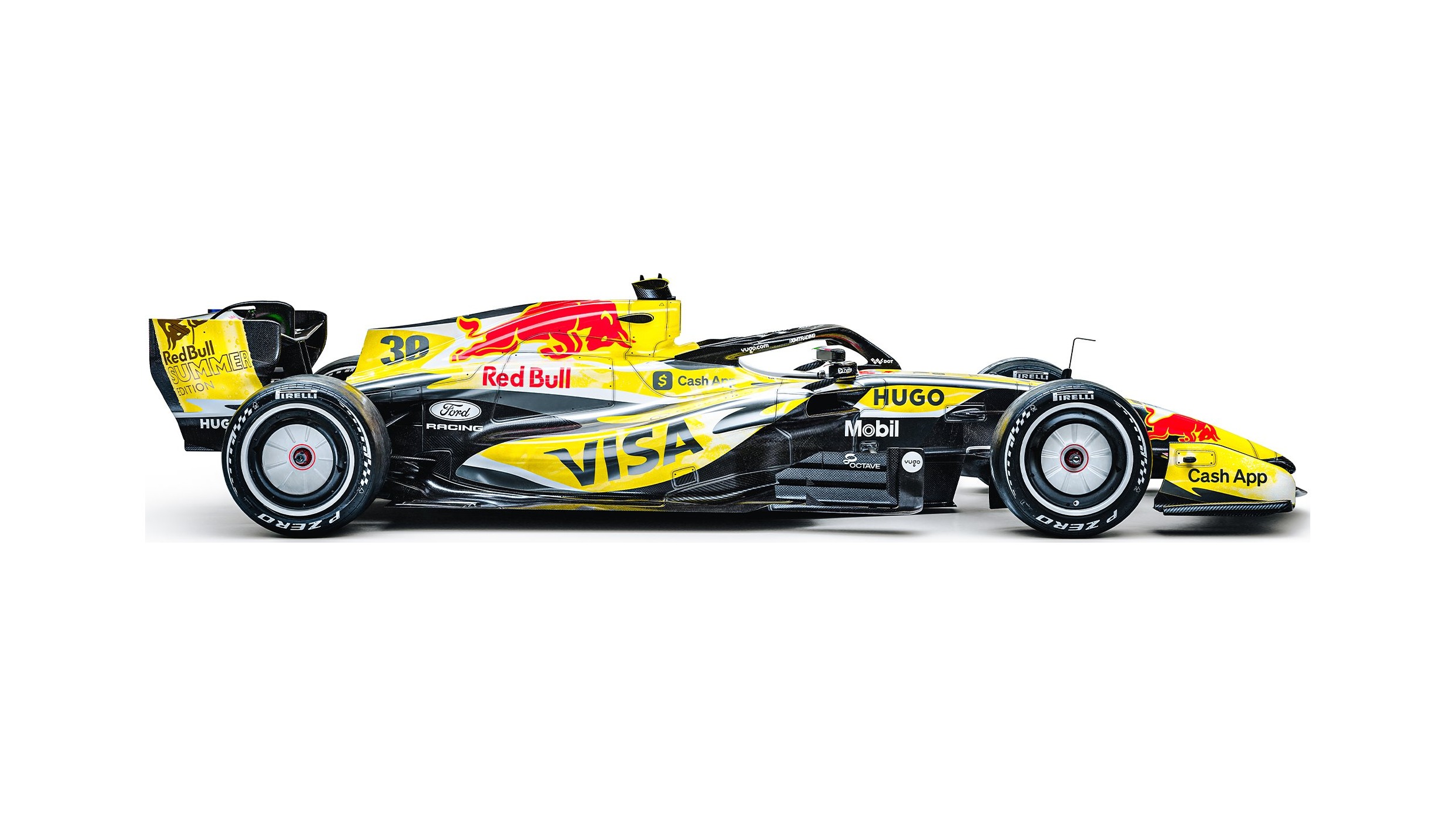
A confectionery brand with no bodywork anywhere on the grid is placed correctly by more of the audience than most title partners. That result is not luck. It gives the most useful activation rule in the sport: a brand is remembered where it was met rather than where it was broadcast.
Can a brand be placed without being on the car?
On the placement question, the one that asks where the branding appears, the official timekeeper leads at 90.3%.
The confectionery brand follows at 84.6% with no panel of bodywork at all, its presence built on Grand Prix activation and on the product itself. The best exposed title partner on the grid reads 27.9%.
The reading is direct. A presence met away from the screen sticks, a presence delivered on screen is seen without settling. An activation budget does not top up a visibility contract, it decides what that contract produces.
 KitKat
 Gatorade
 Oracle
 Tommy Hilfiger
Is the audience really watching?
The market sells its inventory assuming attention is shared with a phone. On this sport the measurement says otherwise, 52.4% of the audience has nothing else open during the race and 84.3% of viewing is live.
The first thing 43.4% of people do at the flag is message someone, ahead of arguing online at 24.8.
Activation therefore works in the live window and in the conversation that follows it, rather than in a second screen device built for an attention that does not exist here. Asked what they would change first in the broadcast, 71.4% name more driver radio, against 11.7 for data overlays.
Where does intent turn into attendance?
For an activation on the ground, the question is not which Grand Prix people dream about but which one turns the wish into a ticket.
The ratio between those planning to attend and those who would like to without going gives a conversion rate. Melbourne leads at 76.5%, Silverstone follows at 61.3 and Zandvoort at 56.4, against a calendar average of 45.7.
The newer American rounds close the table, Miami at 34.9%, Austin at 30.3 and Las Vegas at 28.6. Those are the rounds carrying the most unconverted interest. A field activation meets a crowd in Melbourne, a desire activation works in Las Vegas. They are not the same build.
Which activations turn against the brand?
The measurement also records what the audience rejects. Asked in an open question which brand feels out of place in this sport, the audience names the artificial intelligence category in 8.9% of answers, four times the score of the next single brand, with no question pointing at the subject.
A rejected category cannot be activated like any other. It needs a use the public can see and benefit from rather than another signature on a sidepod. Without it the activation produces exactly the rejection it was meant to avoid.
What do you measure to steer an activation?
Three readings tell you whether an activation is working. Placement, which says the brand was met. Spontaneous mention in race comments, which says it exists without being prompted. And the gap between team audiences on both, which says where the operation reached and where it never happened.
All three are taken before and after an operation, on the same audience with the same question, which gives a readable before and after instead of a coverage report.
Three readings come out of the same measurement: the brand surface, with name, attribute, place and date the presence; the audience profile, with composition, concentration, portability and design; and the product verdict on format and broadcast.
Frequently asked questions
What is sponsorship activation in F1?
Everything a brand does with the rights it bought, from Grand Prix presence and product sampling to content and hospitality. Measured on placement recall, an activated brand with no bodywork reads 84.6% against 27.9 for a serving title partner.
What are good examples of F1 sponsorship activation?
The clearest measured case is a confectionery brand with no car presence at all reaching 84.6% placement recall through Grand Prix activation and the product itself.
Does the F1 audience watch with a second screen?
Mostly not. 52.4% have nothing else open during the race and 84.3% of viewing is live.
Which Grand Prix is best for a live activation?
Melbourne converts best, with 76.5% of interested people planning to attend, against a 45.7% average and 28.6% at Las Vegas.
Which sponsor categories does the F1 audience reject?
The artificial intelligence category leads the brands called out of place, at 8.9% of unprompted answers, four times the next single brand.
Want this reading on your own brand?
The full report behind this article, with the split by team audience, market composition and the change across the season, is available to teams, brands and agencies.
Source: BoxBoxd, the motorsport social network. Placement comes from the same brand measurement. Viewing and attendance behaviour come from declared answers across the season.