How much does F1 sponsorship cost and what does the money buy?
Published estimates run from a few million a year to well past a hundred. None of them price whether the audience can name the team the logo belongs to.

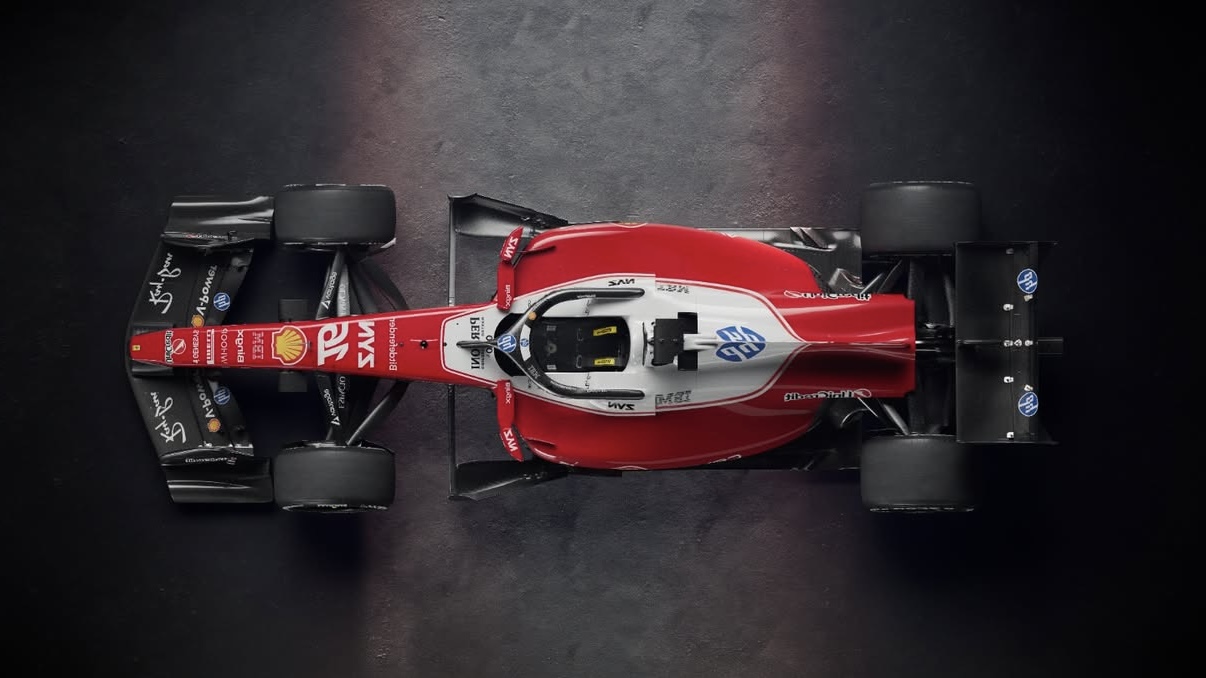
Every published guide to this market answers the price question and stops there. Agencies put associate deals in the low millions a year and title deals above a hundred million, with front of car surfaces carrying a multiple of rear ones. Those are the numbers a brand negotiates on. They are not the numbers that decide whether the deal worked.
What does the market charge?
Sponsorship inventory is sold the way outdoor advertising is sold, by surface, by duration and by the reach of the property.
Published agency estimates for the 2026 grid put entry level associate deals in the low millions per season, mid tier car placements in the tens of millions and title naming rights with a front running team above a hundred million a year. Premium surfaces on a top three team carry several times the price of the same surface on a midfield car.
Those figures are third party estimates rather than disclosed contract values and they price one thing only, the chance to be seen. What follows is the second half of the question, measured on the people watching.
What does the money buy once you ask the audience?
The measurement takes a sponsor logo, blurs it, removes the name and asks three questions in sequence. Across the grid, 94.3% of answers name the brand. Naming the team it belongs to drops that to 82.2%. Saying where the branding appears on the car cuts the whole thing to 46.1%.
Those three numbers are three different products. The first belongs to the brand before it enters the sport and no team can sell it.
The second is what the contract delivers. The third separates a presence that was read from a presence that was merely broadcast. It is the one nobody puts on a rate card.
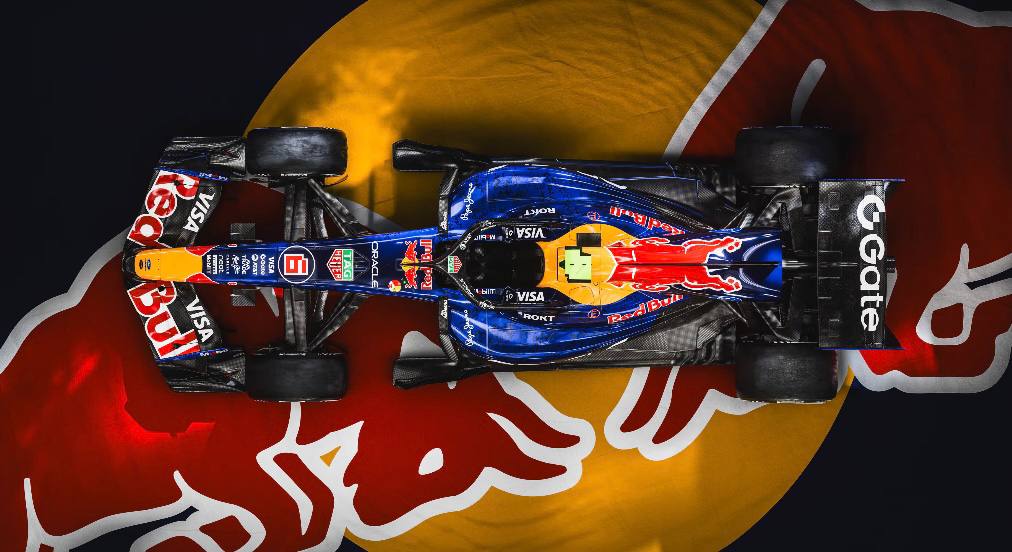
Do two deals at the same price buy the same memory?
Marlboro is attributed to the right team by 97.5% of the audience two decades after it left the cars. Santander reads 97% and Rolex 93.1. A serving title partner on one of the most watched cars on the grid reads 65.5%.
An apparel brand carried by two famous teams reads 54.6, losing close to half the attribution it pays for.
The gap has little to do with budget. A brand tied to a colour, an era or an object attributes itself. A brand placed on a sidepod it shares with a dozen others attributes badly, whatever the impression count says.
 Marlboro
 Santander
 Vodafone
 Allwyn
 KitKat
 TeamViewer
 Honda
Honda Oracle
 Tommy Hilfiger
Which brands can the audience place?
Asked where the branding appears, the official timekeeper leads at 90.3%. A confectionery brand follows at 84.6% while occupying no bodywork at all, its presence coming from Grand Prix activation and from the product itself.
The best exposed title partner on the grid reads 27.9% and the apparel brand closes the table at 15.4.
A brand the audience can place has been met somewhere. A brand nobody can place has been shown without being looked at. Most of the money in this market goes to the difference between the two.
KitKat GatoradeHondaAllwynVodafoneTeamViewerSantanderMarlboroOracleTommy Hilfiger
What should you ask before you sign a price?
Three questions turn a rate card into a decision. What attribution does this asset already produce for the partners on it today. What placement, which is the proof the branding was looked at rather than delivered.
And in which moments of a race does the brand come up on its own, since that answer decides whether the deal buys goodwill or irritation.
All three are measurable before signature, on the current partners of the asset and on the competitors sitting on rival cars, which gives a benchmark instead of a promise.
Three readings come out of the same measurement: the brand surface, with name, attribute, place and date the presence; the audience profile, with composition, concentration, portability and design; and the product verdict on format and broadcast.
Frequently asked questions
How much does it cost to sponsor an F1 team?
Published agency estimates for 2026 run from the low millions a year for associate deals with a midfield team up to more than a hundred million for title naming rights with a front runner, with premium car surfaces carrying a multiple of rear ones.
How much does a logo on an F1 car cost?
It depends on the surface and the team. The measurement to read alongside the price is placement recall, which runs from 90.3% down to 15.4% between brands on the same grid.
What do F1 sponsors get in return?
Exposure is what is sold. What the audience returns is attribution at 82.2% on average and placement at 46.1%, both varying widely by brand.
Is F1 sponsorship worth the money?
It is when the brand is attributed to its team. Attribution ranges from 97.5% to 54.6% across brands, so two contracts of similar value do not produce similar memory.
Do you have to be on the car to be remembered?
No. The best placed brand after the official timekeeper reads 84.6% while appearing on no bodywork, against 27.9% for a serving title partner.
Want this reading on your own brand?
The full report behind this article, with the split by team audience, market composition and the change across the season, is available to teams, brands and agencies.
Source: BoxBoxd, the motorsport social network. The measurement shows a blurred logo with the name removed and asks three questions in order: name the brand, name the team, say where the branding appears on the car. Every share is expressed on the people who answered that question.