How does F1 sponsorship work?
A team sells surface and a brand buys memory. The measurement between the two is where most contracts lose.

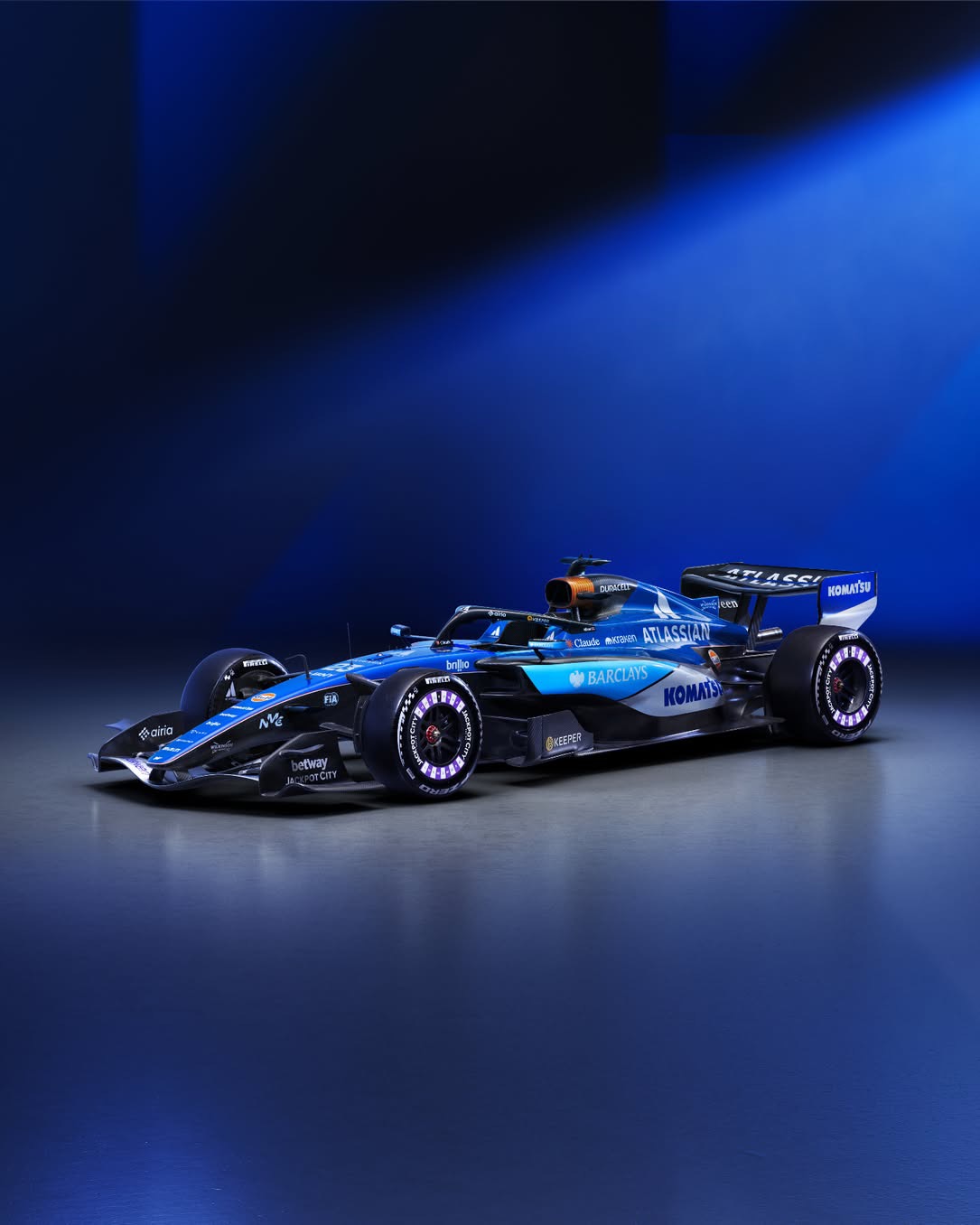
The commercial machine of this sport runs on four kinds of asset and one habit. The assets are naming rights, car surfaces, apparel and trackside inventory. The habit is that everything gets valued on exposure. Measured on the audience, the ranking those valuations produce is not the ranking the audience returns.
What is a team really selling?
Title naming rights put a brand in the team name and on the largest panels. Car surfaces are sold by position, with the sidepod, the engine cover and the rear wing priced above the rest.
Apparel puts a brand on the drivers and the garage rather than on a fixed panel of the car. Trackside and event inventory sells the venue rather than the team. Activation sells access to the audience away from all of it.
Each of those buys a different kind of memory and the difference shows up the moment you ask the audience to do something with the logo rather than simply see it.
An apparel brand carried by two of the most famous teams in the sport reads 54.6% on attribution and 15.4 on placement, because it never occupies a fixed spot anyone can point to.
How wide is the gap between being seen and being placed?
Across the grid, 94.3% of the audience can name a brand from its blurred logo, 82.2% can name the team it belongs to and 46.1% can say where it appears. That last drop is the mechanism of the whole market.
Exposure creates the first number, which the brand mostly brought with it. Contracts create the second. Only presence that gets met somewhere creates the third.
Read brand by brand, the spread is wide. The official timekeeper reads 90.3% on placement, a confectionery brand with no bodywork reads 84.6 and the most exposed title partner of the grid reads 27.9.
 KitKat
 Gatorade
 Oracle
 Tommy Hilfiger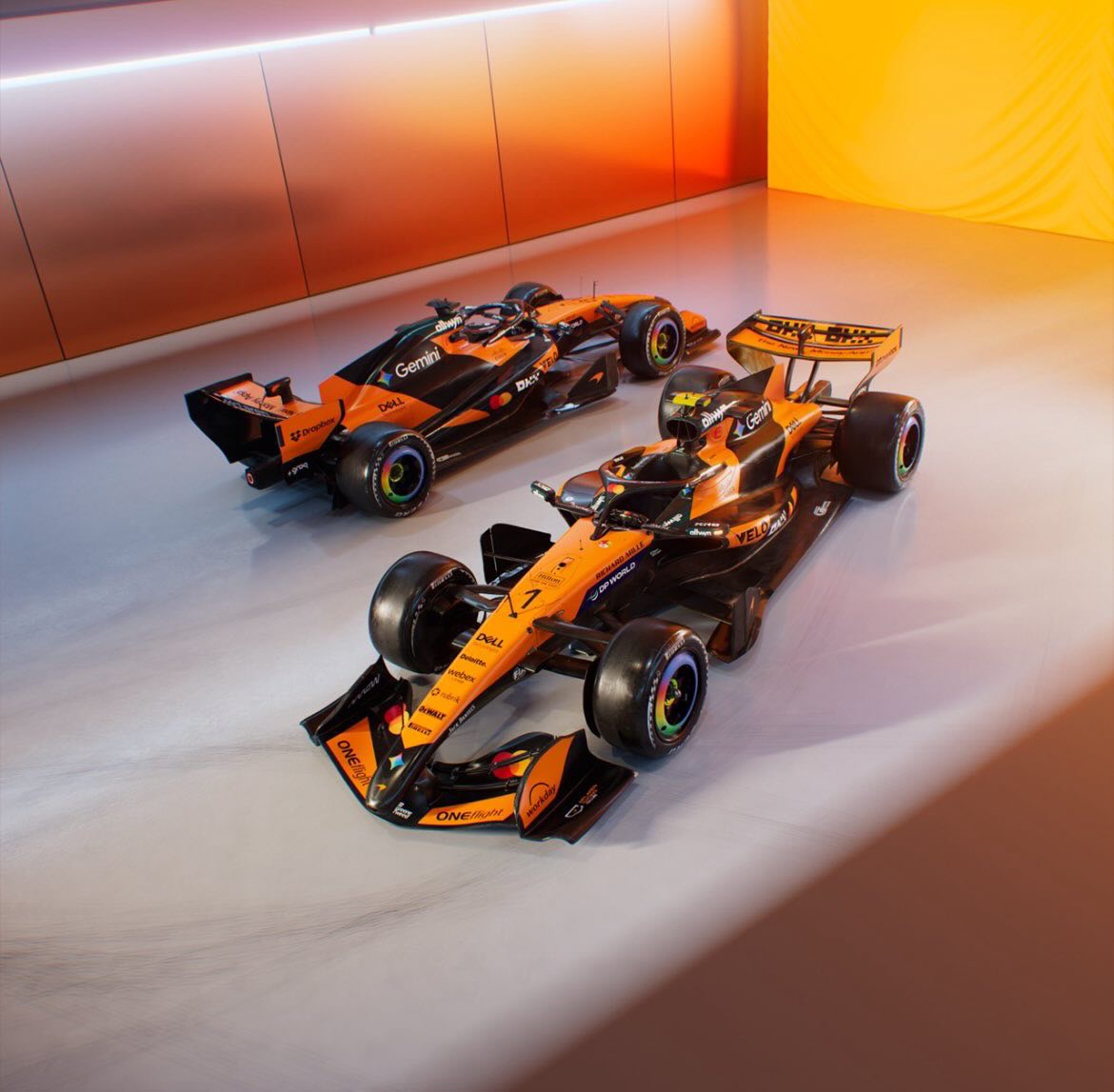
Which brands does the audience bring up on its own?
After a race, part of the audience writes a comment. No question is asked about any brand. Some come up anyway. The tyre supplier appears in 0.75% of comments, the fuel partner in 0.43, the most exposed title partner in 0.33 and a beer brand in 0.24.
Those shares look small and they are the only unprompted presence measurement this sport has. A brand named without being asked about occupies a place in the story of the weekend. The others exist for the length of the question you ask about them.
In what mood does a brand get named?
The measurement turns commercial when you look at the race score given by the people who named the brand. The reference average is 3.41 out of five. Comments naming the beer brand score the race 3.99, the tyre supplier 3.65, the fuel partner 3.39 and the title technology partner 2.95.
A brand can therefore be named often and be attached to the evenings that disappointed. Beer comes up when the race delivered, the technology partner comes up when strategy and decisions were argued about. No rate card separates those two presences and the audience separates them every weekend.
How do you read a deal before you enter one?
Start from the asset rather than the team, since the same team sells memory at very different rates depending on the surface.
Then read the three questions on the partners already there, name, team, place, plus the mood their mentions carry. The combination says what the asset produces rather than what it costs.
The comparison only works internally, the same question asked on several brands in the same window, which is what makes one contract readable against the one on the car beside it.
Three readings come out of the same measurement: the brand surface, with name, attribute, place and date the presence; the audience profile, with composition, concentration, portability and design; and the product verdict on format and broadcast.
Frequently asked questions
How does F1 sponsorship work?
A team sells naming rights, car surfaces, apparel and trackside inventory, priced on exposure. What the audience returns is attribution at 82.2% on average and placement at 46.1%.
What is a title sponsor in F1?
A brand that appears in the team name and takes the largest panels on the car. The most exposed title partner measured on this grid reads 65.5% attribution and 27.9% placement.
How do F1 teams make money from sponsors?
By selling inventory by position and duration, from the team name down to small logos, plus apparel, hospitality and activation rights away from the car.
Do fans notice F1 sponsors?
They notice the logo, 94.3% can name the brand. They are much less able to place it, 46.1%, which is where the difference between contracts appears.
Which F1 sponsors are talked about spontaneously?
The tyre supplier leads, named in 0.75% of race comments written with no question asked, ahead of the fuel partner at 0.43%.
Want this reading on your own brand?
The full report behind this article, with the split by team audience, market composition and the change across the season, is available to teams, brands and agencies.
Source: BoxBoxd, the motorsport social network. Spontaneous mentions are counted in comments written freely after a race, with no question asked about any brand. The associated rating is the average race score given by the people who named the brand.